How to Mine Bitcoin in 2024: A Beginner's Step-by-Step Guide
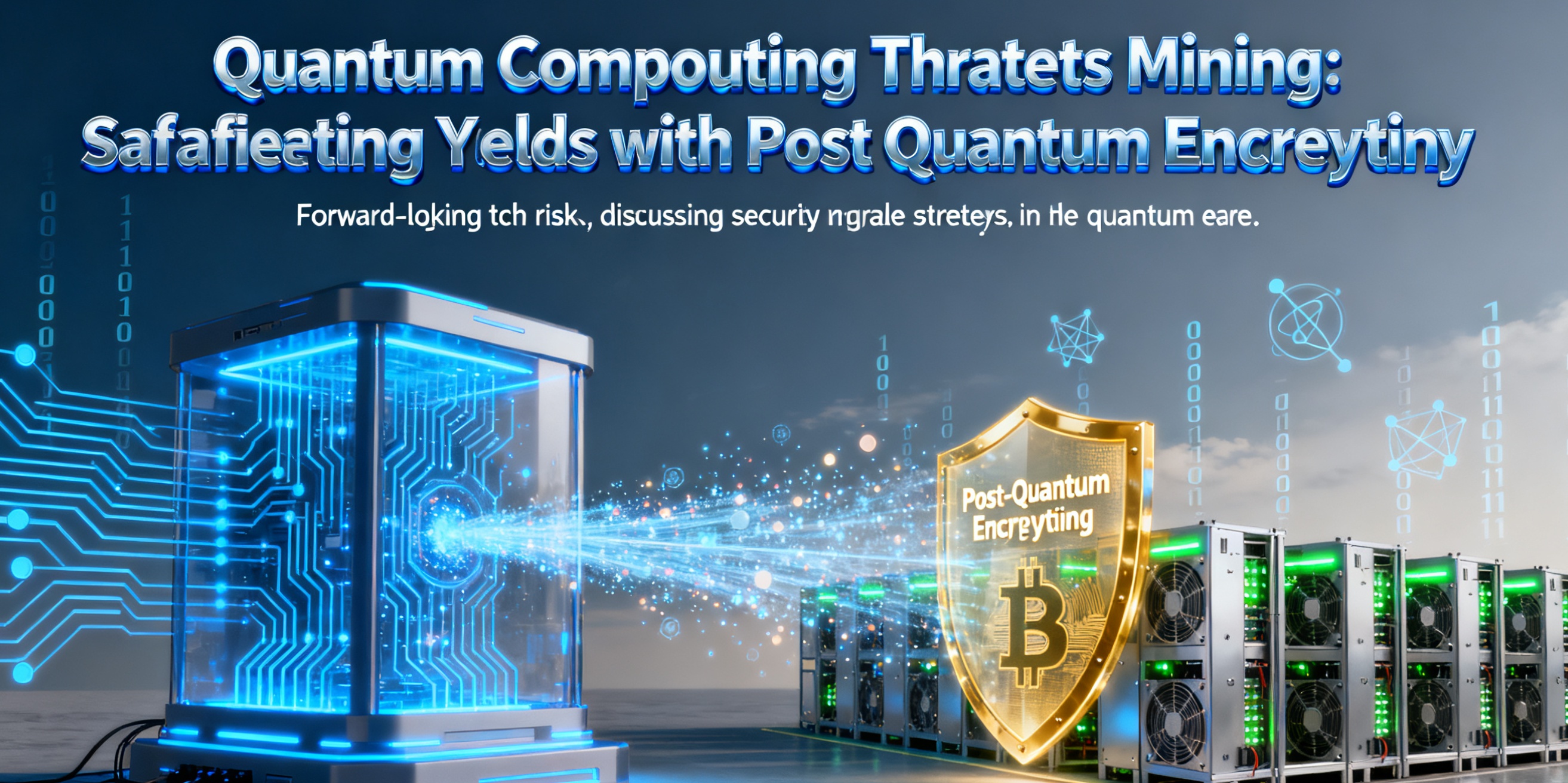
Bitcoin mining is the foundational process that secures the Bitcoin network and introduces new coins into circulation. For many, it represents an intriguing way to earn cryptocurrency. This guide breaks down the essentials of how to mine Bitcoin today, from the required hardware to the potential rewards and challenges.
At its core, Bitcoin mining involves powerful computers solving complex mathematical puzzles. This process validates and adds new transactions to the blockchain, a public ledger. The first miner to solve the puzzle gets to add a "block" and is rewarded with a set amount of newly minted Bitcoin (the block reward) plus transaction fees. This mechanism ensures network security and decentralization.
Successful mining now requires specialized equipment. The era of mining with a regular PC is long over. Today, Application-Specific Integrated Circuits (ASICs) are the industry standard. These devices are designed solely for mining Bitcoin and offer immense processing power, measured in terahashes per second (TH/s). Before investing, research the latest ASIC models, considering their hash rate, energy efficiency (joules per terahash), and upfront cost.
Mining solo is incredibly difficult due to the high level of competition. Most miners join a mining pool, where participants combine their computational power to increase the chance of solving a block. Rewards are then distributed among pool members based on their contributed work. Choosing a reputable pool involves comparing factors like pool size, fee structure, and payout methods.
Essential software is needed to connect your hardware to the blockchain and your mining pool. This includes a Bitcoin wallet to receive your earnings and mining software like CGMiner or BFGMiner. This software relays the work from the pool to your miner and monitors its performance and temperature.
The most critical consideration for profitability is energy consumption. ASIC miners run 24/7 and consume substantial electricity. Your power cost per kilowatt-hour (kWh) is the decisive factor. Mining in an area with high electricity rates can quickly turn a profitable venture into a loss-making one. Always calculate your estimated energy costs against potential Bitcoin earnings using an online mining calculator before purchasing any equipment.
Beyond hardware and pools, you must understand the mining difficulty and the block reward halving. The network automatically adjusts mining difficulty to ensure a new block is found roughly every ten minutes, regardless of total mining power. Approximately every four years, the block reward given to miners is cut in half—an event known as "the halving." The most recent halving in 2024 reduced the reward to 3.125 BTC per block. This controlled scarcity is built into Bitcoin's code and significantly impacts mining economics over time.
For beginners, cloud mining presents an alternative. This involves renting mining power from a company that owns and operates the hardware. While it eliminates the hassles of setup, maintenance, and direct energy bills, it requires extreme caution. The cloud mining industry is rife with scams. Only conduct business with thoroughly vetted, transparent, and long-standing providers, and be wary of promises that sound too good to be true.
In conclusion, Bitcoin mining in 2024 is a highly competitive, capital-intensive, and technical endeavor. It is no longer a simple plug-and-play operation. Prospective miners must carefully research ASIC hardware, calculate precise operational costs—primarily electricity—and typically join a mining pool to see consistent returns. While the potential for profit exists, especially for those with access to cheap power and efficient equipment, it carries significant financial risk and requires ongoing education about the evolving network dynamics like difficulty adjustments and halving events.
Post a Comment