How to Mine Bitcoin in 2024: A Beginner's Guide to Earning Crypto
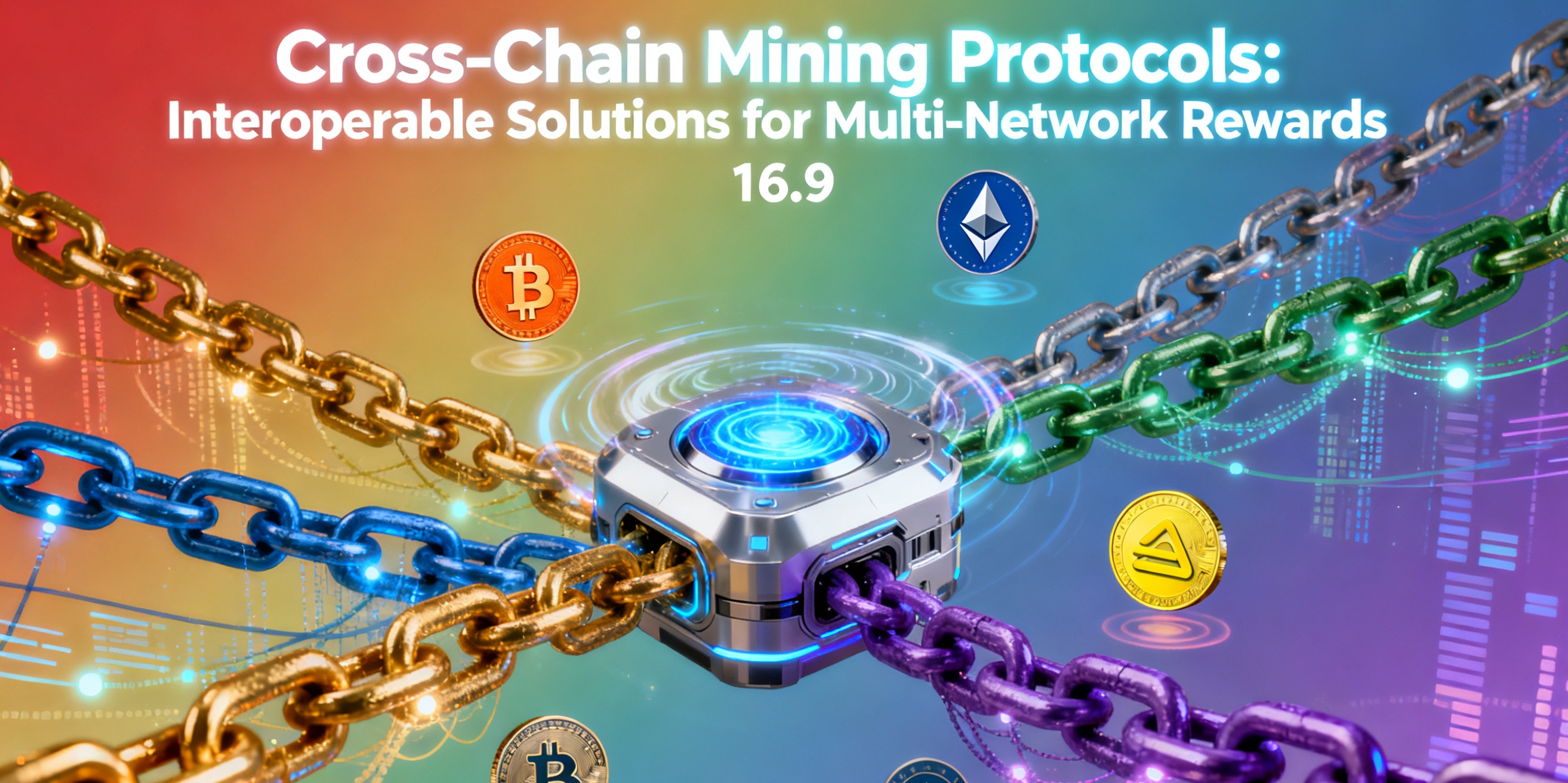
Bitcoin mining is the foundational process that powers the world's first and largest cryptocurrency network. It involves using specialized computer hardware to solve complex mathematical puzzles, validating transactions and securing the blockchain. As a reward for this crucial work, successful miners receive newly minted Bitcoin. While the landscape has evolved significantly since Bitcoin's early days, mining remains a primary method for obtaining Bitcoin resources directly.
The first step to start mining Bitcoin is understanding the essential components. You will need specialized mining hardware called ASICs (Application-Specific Integrated Circuits). These devices are designed solely for mining cryptocurrencies and offer vastly superior power and efficiency compared to standard CPUs or GPUs. Popular models come from manufacturers like Bitmain and MicroBT. Next, you'll require a reliable and stable internet connection, a suitable cooling solution for your hardware (as it generates significant heat), and access to low-cost electricity, which is often the most critical ongoing cost.
Once your hardware is ready, you must choose your mining approach. Solo mining, where you attempt to find a block alone, is statistically unlikely for most individuals due to immense global competition. The most practical route for newcomers is to join a Bitcoin mining pool. A pool combines the computational power of many miners, increasing the frequency of earning block rewards. When the pool succeeds, the reward is distributed among participants proportionally to the computing power they contributed. This provides a more steady and predictable stream of Bitcoin income.
After selecting a pool, you will need to install and configure mining software. This software connects your ASIC hardware to the blockchain network and your chosen mining pool. Options like Braiins OS, CGMiner, or BFGMiner are commonly used. Configuration typically involves entering the pool's address and your unique digital wallet address to receive your earnings.
Before investing in equipment, performing a profitability calculation is absolutely crucial. Several online calculators allow you to input factors such as your ASIC's hash rate, power consumption, local electricity costs, and the current Bitcoin price and network difficulty. This calculation will estimate your potential earnings and highlight whether mining is financially viable for your situation. Remember to account for the initial high cost of the hardware itself.
Finally, you must set up a secure Bitcoin wallet to receive and store your mining rewards. Options range from hardware wallets (like Ledger or Trezor) for maximum security to reputable software wallets. Never send your earnings to an exchange address you do not control. Once your wallet is ready, you will enter its public address into your mining pool's dashboard to start accumulating your Bitcoin resources.
In conclusion, obtaining Bitcoin through mining in 2024 is an accessible but serious undertaking that requires technical research and financial calculation. It is no longer a simple hobby done with a home computer. Success hinges on access to efficient ASIC hardware, very cheap electricity, and the patience to navigate a competitive, industrial-scale environment. For those willing to do the homework, however, mining offers a direct and immersive way to participate in the Bitcoin network and earn cryptocurrency.
Post a Comment