How to Mine Bitcoin in 2015: A Practical Guide for Beginners
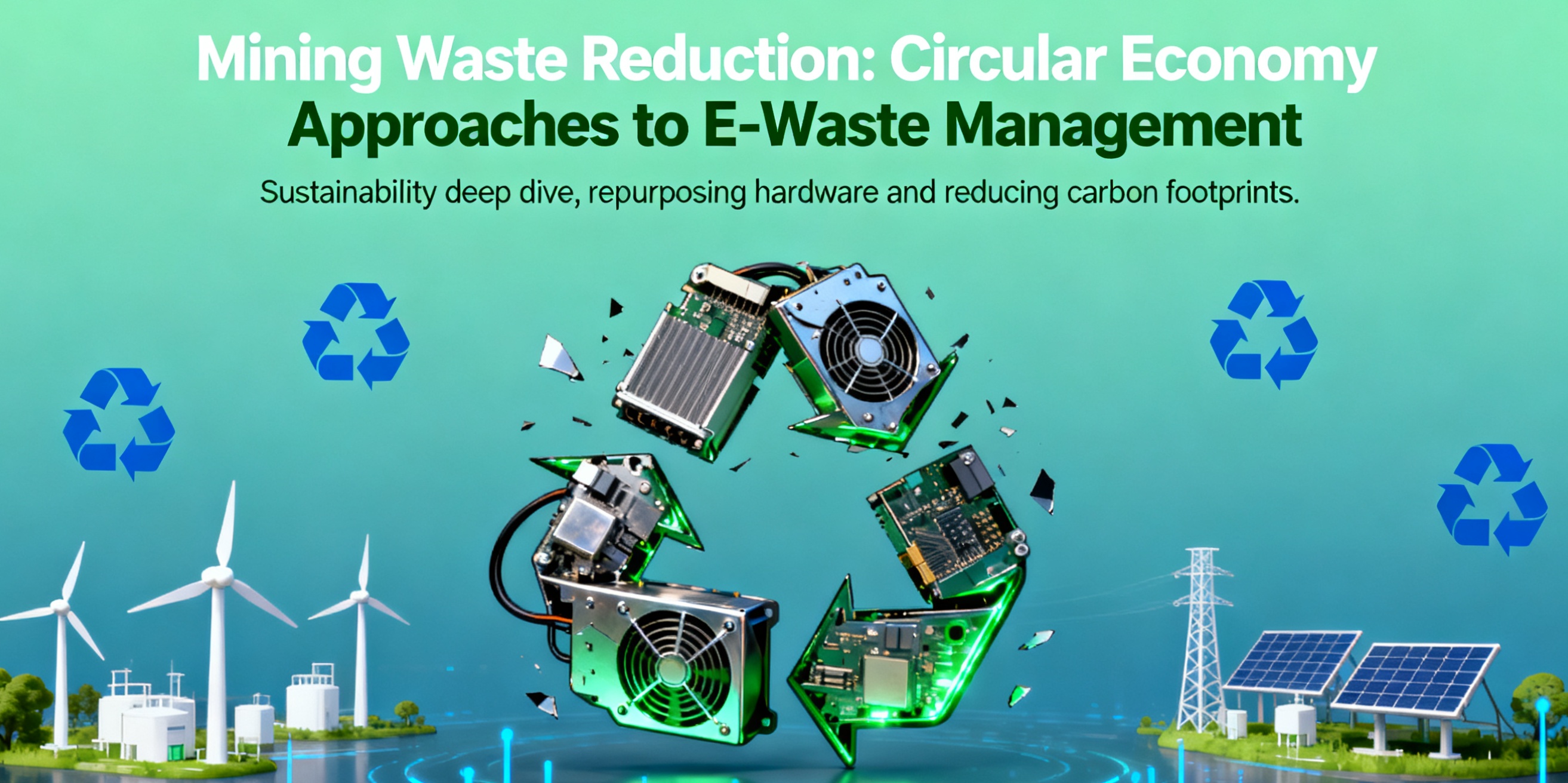
The year 2015 stands as a pivotal chapter in the history of Bitcoin mining. It marked the transition from an era where individual enthusiasts could participate from home to the dawn of industrial-scale operations. If you're looking back at the methods of that time, understanding how to mine Bitcoin in 2015 provides crucial insight into the evolution of cryptocurrency. The landscape was dominated by specialized hardware, and the approach for a newcomer was vastly different from the early days of CPU mining.
By 2015, mining with CPUs or even standard GPUs was almost entirely obsolete for Bitcoin. The network difficulty had risen to a point where these methods would yield virtually no return. The market was firmly in the age of Application-Specific Integrated Circuit (ASIC) miners. These devices, built solely for computing Bitcoin's SHA-256 algorithm, offered unparalleled hash rates and energy efficiency compared to any general-purpose hardware. Popular models from companies like Bitmain (Antminer S5), Avalon, and Butterfly Labs were the tools of the trade.
The first step for a 2015 miner was acquiring this specialized ASIC hardware. Options ranged from purchasing new units, often with waiting periods, to buying second-hand machines from other miners. The critical factors to consider were the hash rate (measured in GH/s or TH/s), power consumption (in watts), and the cost per unit. Profitability hinged on balancing the upfront equipment cost against the ongoing electricity expense, as mining rigs ran 24/7 and generated significant heat and noise.
With hardware in hand, a miner needed to choose their method of operation. Solo mining, where you attempt to find a block alone, was already a lottery with incredibly long odds due to the high network hash rate. For virtually everyone, the practical path was to join a Bitcoin mining pool. Pools like Slush Pool, Antpool, and F2Pool combined the computational power of all their members to solve blocks more consistently, then distributed the rewards proportionally based on contributed work. This provided a steady, predictable stream of income, albeit shared among many participants.
Software configuration was the next phase. Miners would typically use firmware or mining software provided by the ASIC manufacturer or open-source alternatives like CGMiner or BFGMiner. This software connected the hardware to both the mining pool and a Bitcoin wallet. Setting it up involved inputting the pool's server address, your worker username, and your wallet address for payouts. Cooling was a major operational concern, as these ASIC units required well-ventilated spaces or dedicated cooling systems to prevent overheating.
Finally, the all-important profitability calculation was a constant necessity. In 2015, miners relied on online calculators. You would input your hardware's hash rate, power consumption, local electricity cost, and the pool fee. The calculator would then estimate your potential earnings against expenses. With Bitcoin's price being relatively volatile and network difficulty adjusting upwards approximately every two weeks, this calculation was dynamic. Many miners operated on thin margins, where a dip in Bitcoin's price or a rise in electricity cost could turn profit into loss.
In retrospect, 2015 mining was accessible but required serious consideration of investment and running costs. It was the last era where individuals in regions with very cheap electricity could realistically compete at a small scale before network difficulty skyrocketed further. The lessons from 2015—focusing on energy efficiency, the necessity of pooling resources, and the relentless math of profitability—continue to define the mining industry today, albeit on a massively scaled-up level.
Post a Comment