How to Mine Bitcoin at Home: A Beginner's Guide to Using Your Computer
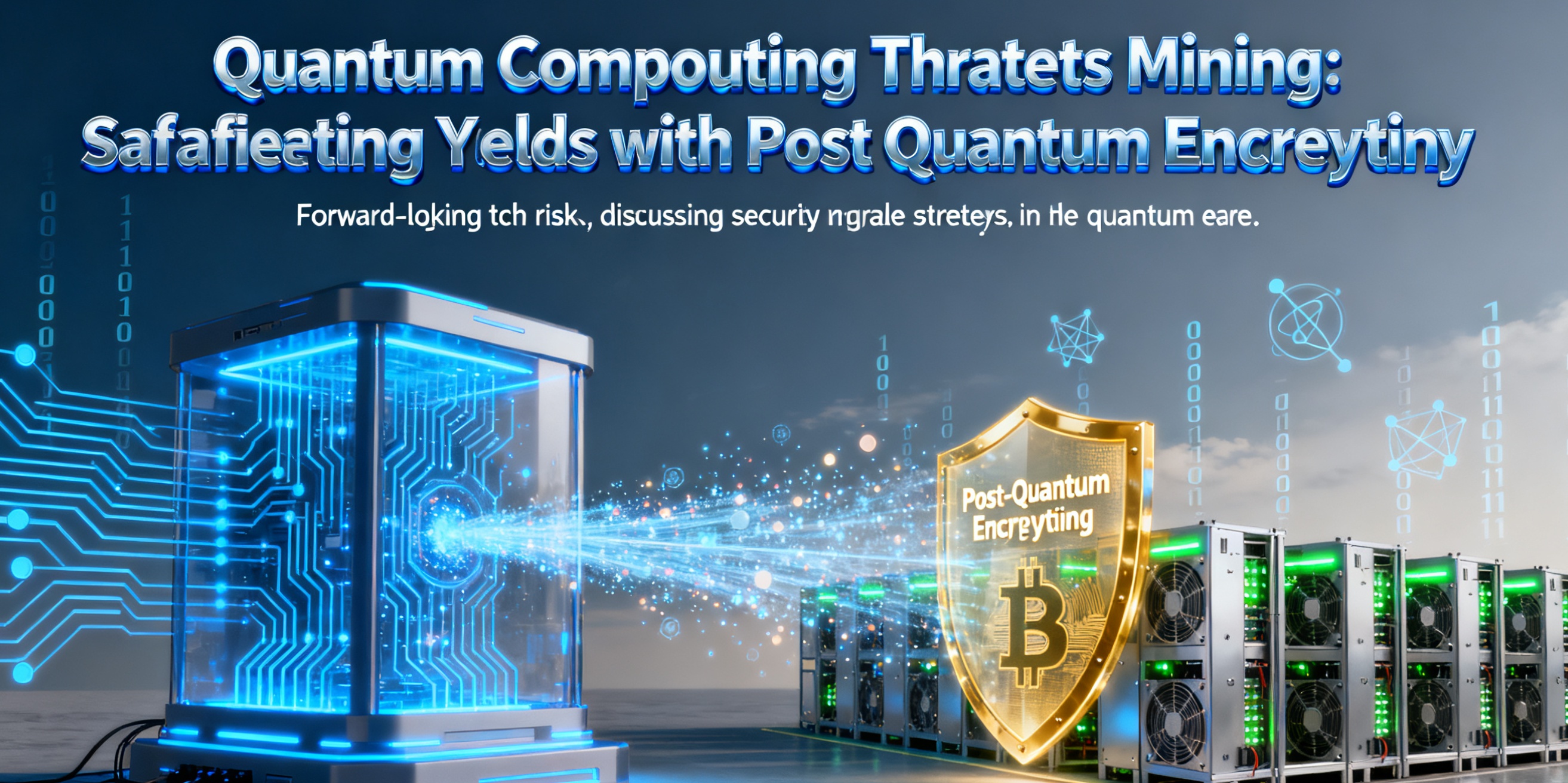
Bitcoin mining is the process that secures the network and creates new coins. While it has evolved into an industrial-scale operation, many still wonder if they can participate using their home computer. This guide explains the realities and methods of mining Bitcoin with your PC.
In the early days of Bitcoin, mining with a standard Central Processing Unit (CPU) was feasible. However, as the network grew, miners moved to more powerful Graphics Processing Units (GPUs) and eventually to specialized hardware called Application-Specific Integrated Circuits (ASICs). Today, ASIC miners are the only equipment capable of profitably competing for block rewards due to their immense hashing power and energy efficiency.
Attempting to mine Bitcoin directly with a standard computer's CPU or GPU is no longer practical. The difficulty level is so high that the chance of earning any reward is virtually zero, and the electricity cost will far exceed any potential income. Your computer would simply be operating at a significant financial loss.
Despite this, there are ways your computer can contribute to Bitcoin mining. The most accessible method is through cloud mining. This involves renting mining power from a large company that operates ASIC farms. You purchase a contract, and the company mines on your behalf, sending you a share of the rewards proportional to your rented hash power. It is crucial to research providers extensively, as the industry has seen its share of scams.
Another option is to join a mining pool, even with limited hardware. While your contribution would be tiny, pools combine the power of all participants to solve blocks more consistently. Rewards are distributed based on the amount of work contributed. While you won't profit after electricity costs, this method provides a hands-on educational experience in how mining pools operate.
For those determined to use their computer hardware for cryptocurrency mining, a more realistic path is to mine alternative cryptocurrencies (altcoins). Many coins are designed to be resistant to ASIC miners, favoring GPU or even CPU mining. You can then exchange these mined altcoins for Bitcoin on various cryptocurrency exchanges. This process allows your computer to effectively "earn" Bitcoin, albeit indirectly.
Before you begin any form of mining, consider the critical factors. Electricity cost is the primary expense. Calculate your hardware's power consumption against your local electricity rate. You will also need a cryptocurrency wallet to store your earnings securely. For GPU or CPU mining, you'll need to choose and configure mining software compatible with your hardware and chosen coin.
Mining with a standard computer in 2023 and beyond is not a get-rich-quick scheme. The direct mining of Bitcoin is dominated by professional ASIC operations. However, by understanding the landscape—through cloud mining contracts, participating in pools for learning, or mining other coins—your computer can still be a gateway into the world of cryptocurrency mining. Success requires careful research, managed expectations, and a focus on learning the technological fundamentals.
Post a Comment