How Does Bitcoin Mining Work? A Step-by-Step Guide to Earning Crypto
Bitcoin mining is the critical process that powers and secures the entire Bitcoin network. It involves using specialized computers to solve complex mathematical puzzles, validating transactions, and adding new blocks to the blockchain. For this work, successful miners are rewarded with newly created bitcoins and transaction fees. Understanding how mining works reveals the backbone of cryptocurrency's decentralized design.
The core function of mining is to achieve consensus across the network without a central authority. When someone sends Bitcoin, that transaction is broadcast to a global network of computers, known as nodes. Miners collect these pending transactions into a candidate block. Their task is to find a cryptographic hash for this block that meets specific, extremely difficult criteria set by the Bitcoin protocol. This process is called Proof of Work.
Miners use Application-Specific Integrated Circuits (ASICs), powerful machines built solely for mining. They trillions of guesses per second to find the correct hash. This competition is fierce; the first miner to solve the puzzle broadcasts the new block to the network. Other nodes then easily verify the solution and, if valid, add the block to their copy of the blockchain. The winning miner receives a block reward, which is currently 3.125 BTC, plus the fees from all transactions in that block.
The difficulty of the mining puzzle adjusts approximately every two weeks. This ensures that no matter how much total computing power, or hash rate, joins the network, a new block is discovered roughly every ten minutes. This adjustment maintains the scarcity and predictable issuance of Bitcoin, capping the total supply at 21 million coins.
Setting up a mining operation today requires significant investment and technical knowledge. An individual miner needs to acquire ASIC hardware, which consumes substantial electricity. They must also consider cooling solutions to manage heat output and access to low-cost power to remain profitable. Many miners join mining pools, combining their hash rate with others to have a more consistent chance of earning rewards, which are then shared proportionally among pool members.
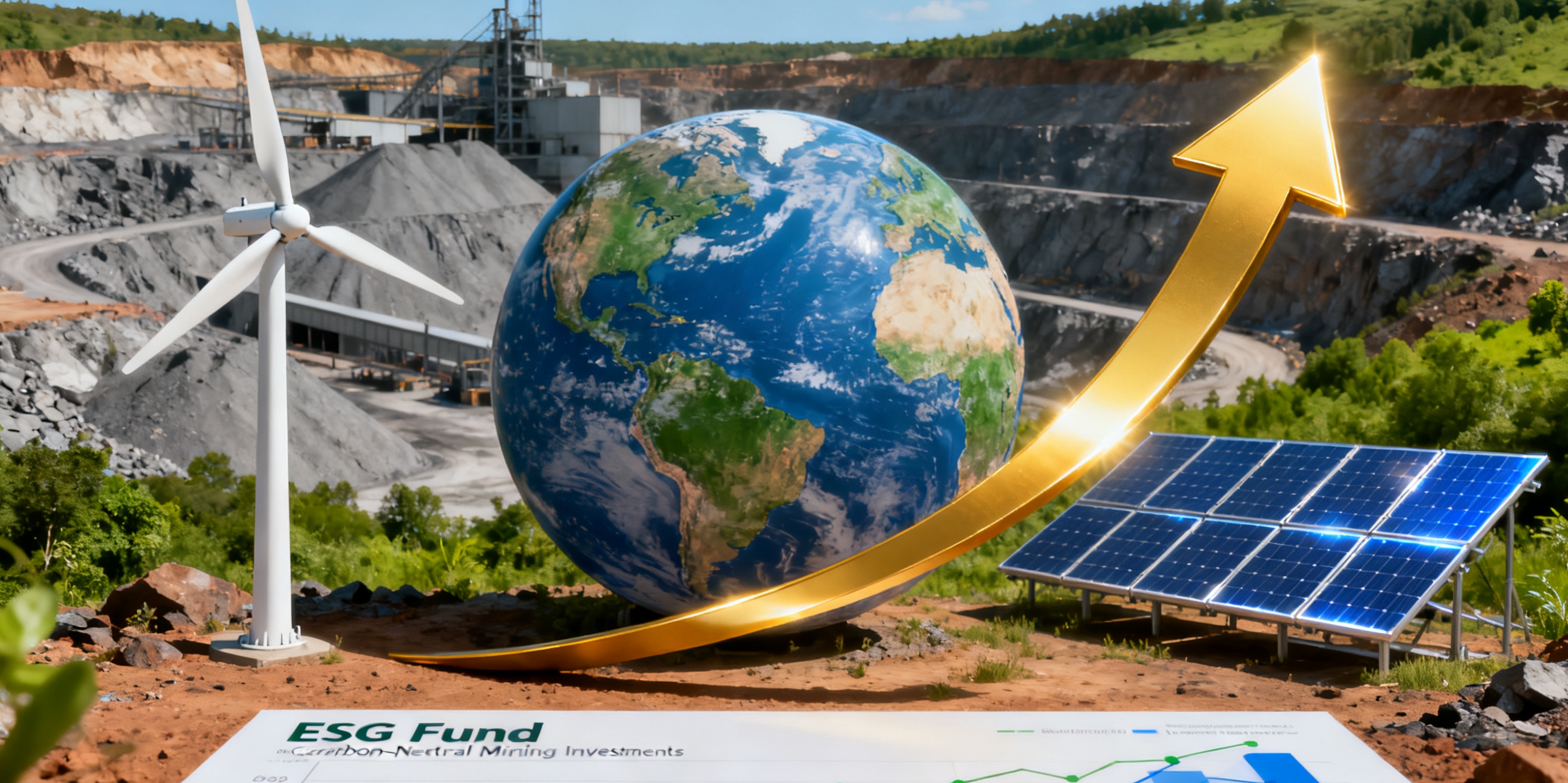
The environmental impact of Bitcoin mining's energy use is a topic of ongoing debate. In response, many mining operations are migrating to areas with abundant renewable energy, such as hydroelectric, solar, or wind power. Some are even using stranded or flared natural gas. The industry is increasingly focusing on sustainable energy sources to improve its long-term viability and address environmental concerns.
Looking ahead, Bitcoin mining continues to evolve. While the block reward will halve again in the future, miners will increasingly rely on transaction fees for revenue. Technological advancements aim to produce more energy-efficient ASICs. Furthermore, mining plays a vital role in grid stability in some regions by offering flexible, interruptible demand that can absorb excess renewable energy. For those willing to navigate the capital and operational complexities, Bitcoin mining remains a fundamental and potentially profitable activity that underpins the world's leading cryptocurrency.
Post a Comment