How to Mine Bitcoin in 2014: A Step-by-Step Guide for Beginners
Looking back, learning how to mine Bitcoin ten years ago feels like discovering a digital gold rush that was just beginning. In 2014, the landscape was vastly different from today's industrial-scale operations. For individuals with standard computer hardware, profitable mining was still within reach. This guide outlines the foundational steps a hobbyist would have taken to start mining Bitcoin a decade ago.
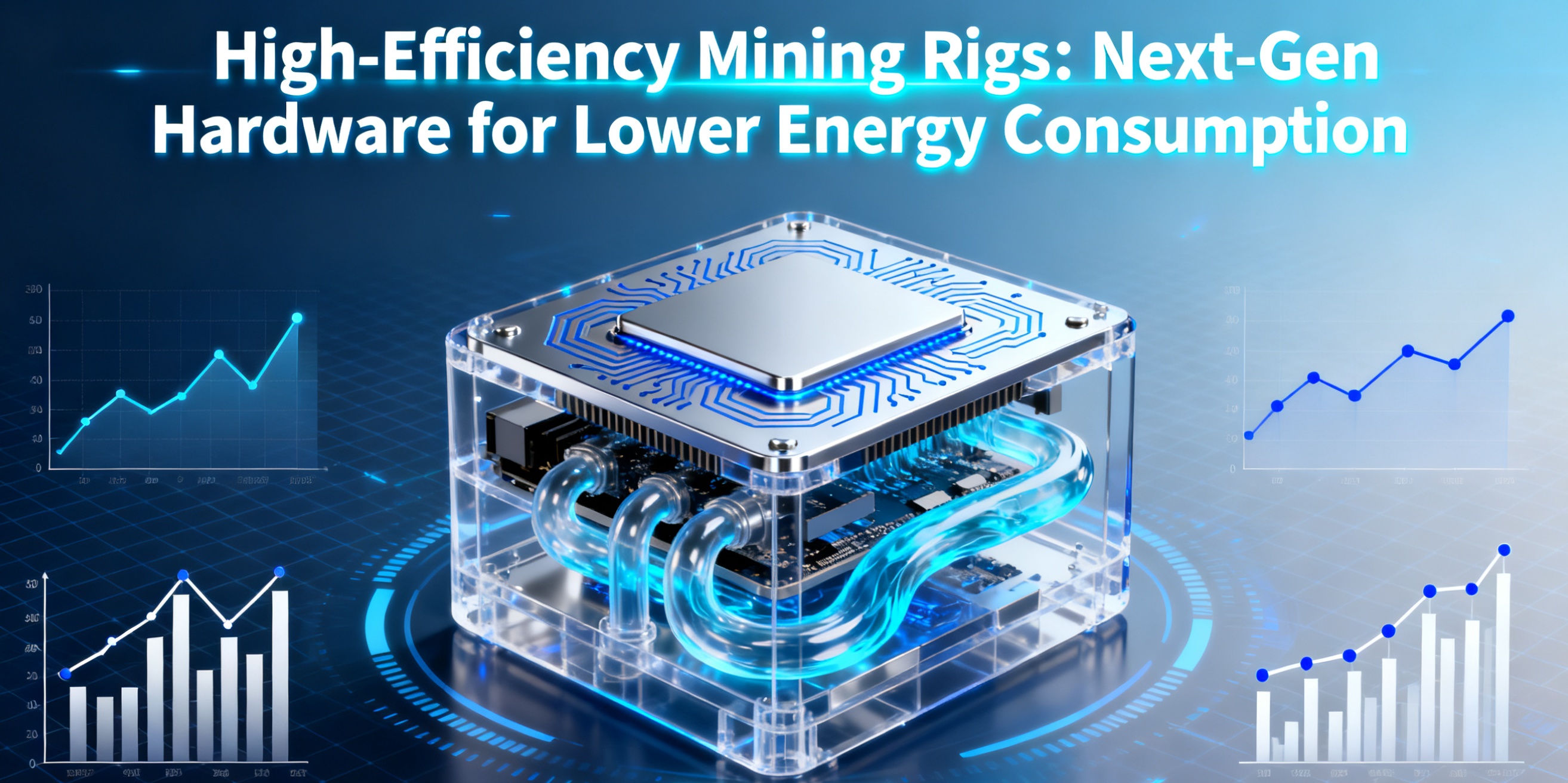
The first and most crucial step was acquiring the right hardware. In the early days, miners used Central Processing Units (CPUs) found in every computer. However, by 2014, this was already obsolete for Bitcoin. The competitive arena had moved to Graphics Processing Units (GPUs). Enthusiasts would build rigs with multiple high-end graphics cards, as they were far more efficient at solving the cryptographic puzzles required for mining. Application-Specific Integrated Circuits (ASICs) specialized chips designed solely for Bitcoin mining were also emerging. These devices, while expensive, offered a massive leap in hashing power and energy efficiency, making them the ultimate goal for serious miners in that era.
Next, miners needed to choose their software. Mining software acted as the bridge between your hardware and the Bitcoin network. Popular open-source options like CGMiner and BFGMiner were the staples of the community. These programs allowed users to configure their hardware, connect to a mining pool, and monitor performance. The choice of software depended heavily on the operating system and the specific hardware being used.
Perhaps the most significant decision was joining a mining pool. As the network difficulty increased, the chance of a solo miner finding a block with a single GPU or a small ASIC became astronomically low. Mining pools solved this by combining the computational power of all participants. When the pool successfully mined a block, the reward was distributed among members based on their contributed share of the work. This provided a steady, predictable stream of income compared to the lottery-style windfall of solo mining. Popular pools in 2014 included Slush Pool and BTC Guild.
Finally, a secure Bitcoin wallet was essential. This was a digital vault for storing the rewards earned from mining. Wallets ranged from software programs installed on your computer to more secure hardware wallets or even paper wallets for cold storage. Security was paramount, as the loss of private keys meant the irreversible loss of Bitcoins.
The process, once set up, was largely automated. The mining software would run continuously, using hardware to compute trillions of hashes per second. The miner would earn small, fractional amounts of Bitcoin as their pool successfully validated transactions and created new blocks. While the electricity cost was a concern, the price of Bitcoin in 2014, though volatile, allowed dedicated miners to operate profitably with efficient setups.
In retrospect, 2014 represented a pivotal transition point in Bitcoin mining. It was the end of the accessible GPU era for Bitcoin and the dawn of professional ASIC dominance. For those who participated, it was a hands-on education in blockchain technology and a thrilling, if speculative, venture into a new financial frontier. The lessons learned about wallets, security, and network participation remain just as relevant for crypto enthusiasts today.
Post a Comment