Bitcoin Mining in Greece: Machines, Costs & Legal Status 2024
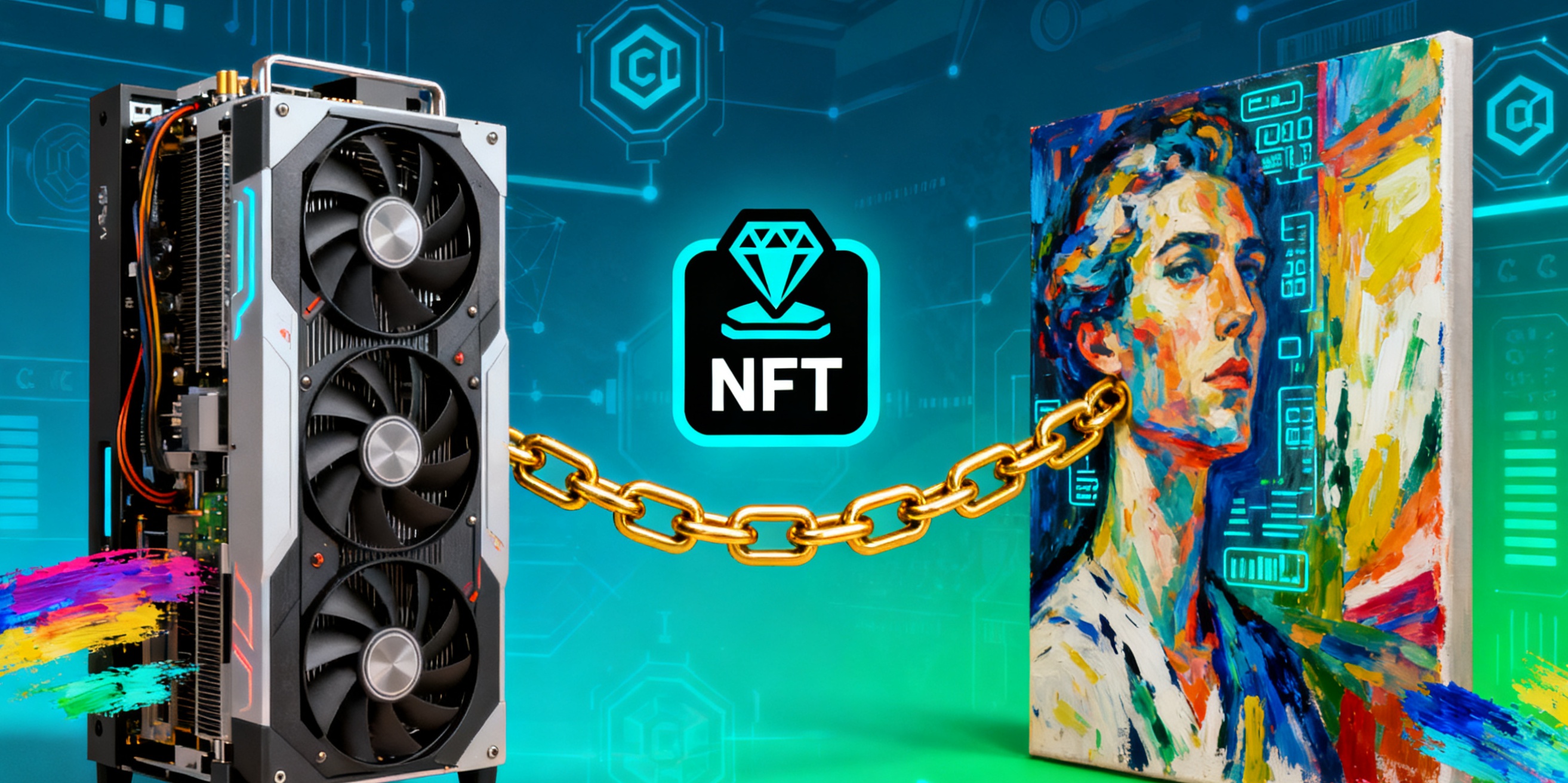
The global landscape of Bitcoin mining is constantly shifting, and Greece is emerging as a region of interest for miners seeking new opportunities. The question of how Bitcoin mining machines fare in this Mediterranean nation involves a complex interplay of energy costs, climate, regulatory environment, and infrastructure. This article delves into the current state of Bitcoin mining in Greece, examining the viability, challenges, and prospects for mining operations.
Greece's primary attraction for Bitcoin mining lies in its significant potential for renewable energy, particularly solar and wind power. The country enjoys abundant sunlight and strong winds, offering a pathway to greener and potentially cheaper energy for power-intensive mining machines like the Antminer S19 series or Whatsminer M30s. Some forward-thinking mining operations are beginning to explore setups directly integrated with renewable sources, aiming to reduce reliance on the traditional grid and improve long-term sustainability and cost predictability.
However, the reality on the ground presents substantial hurdles. The cost of grid electricity in Greece has historically been among the highest in the European Union, severely impacting profitability for mining machines that run 24/7. While renewables offer hope, the initial capital investment for both the mining hardware and the renewable energy infrastructure is substantial. Furthermore, the Greek summer brings intense heat, which poses a significant cooling challenge for mining farms. Effective cooling systems are not optional but a critical necessity to prevent machine damage and maintain efficiency, adding another layer to operational costs.
The regulatory framework for Bitcoin and cryptocurrency mining in Greece remains in a formative stage. The Greek government has not enacted specific laws targeting crypto mining. Operations typically fall under general business and tax regulations. Miners are required to register their business, declare income for tax purposes, and comply with standard commercial and electrical safety codes. The lack of specific legislation provides flexibility but also creates uncertainty; the future regulatory stance could change as the European Union's broader Markets in Crypto-Assets (MiCA) regulations come into full effect.
For individual miners or small-scale operations, the high energy costs often make running mining machines at home unprofitable. The focus, therefore, shifts to larger-scale, professionally managed mining farms that can leverage economies of scale, negotiate better energy rates, or develop dedicated renewable energy projects. The geographical distribution of mining activity is often tied to areas with cooler climates, such as mountainous regions, to mitigate cooling costs, or near potential renewable energy sites.
In conclusion, the performance and profitability of Bitcoin mining machines in Greece are currently a tale of potential versus present challenges. The country's renewable energy promise is a strong draw, aiming to power efficient ASIC miners with a lower carbon footprint. Yet, this is counterbalanced by high grid electricity prices, a pressing need for climate control, and an evolving regulatory landscape. For miners considering Greece, success depends on meticulous planning involving secure access to low-cost (preferably renewable) energy, strategic site selection for natural cooling, and a clear understanding of the legal and tax obligations. As Greece continues to develop its energy sector and clarify its digital asset policies, it may yet carve out a niche in the competitive European Bitcoin mining ecosystem.
Post a Comment