How Was Bitcoin Mined in the Past? A Look at Early Mining Methods
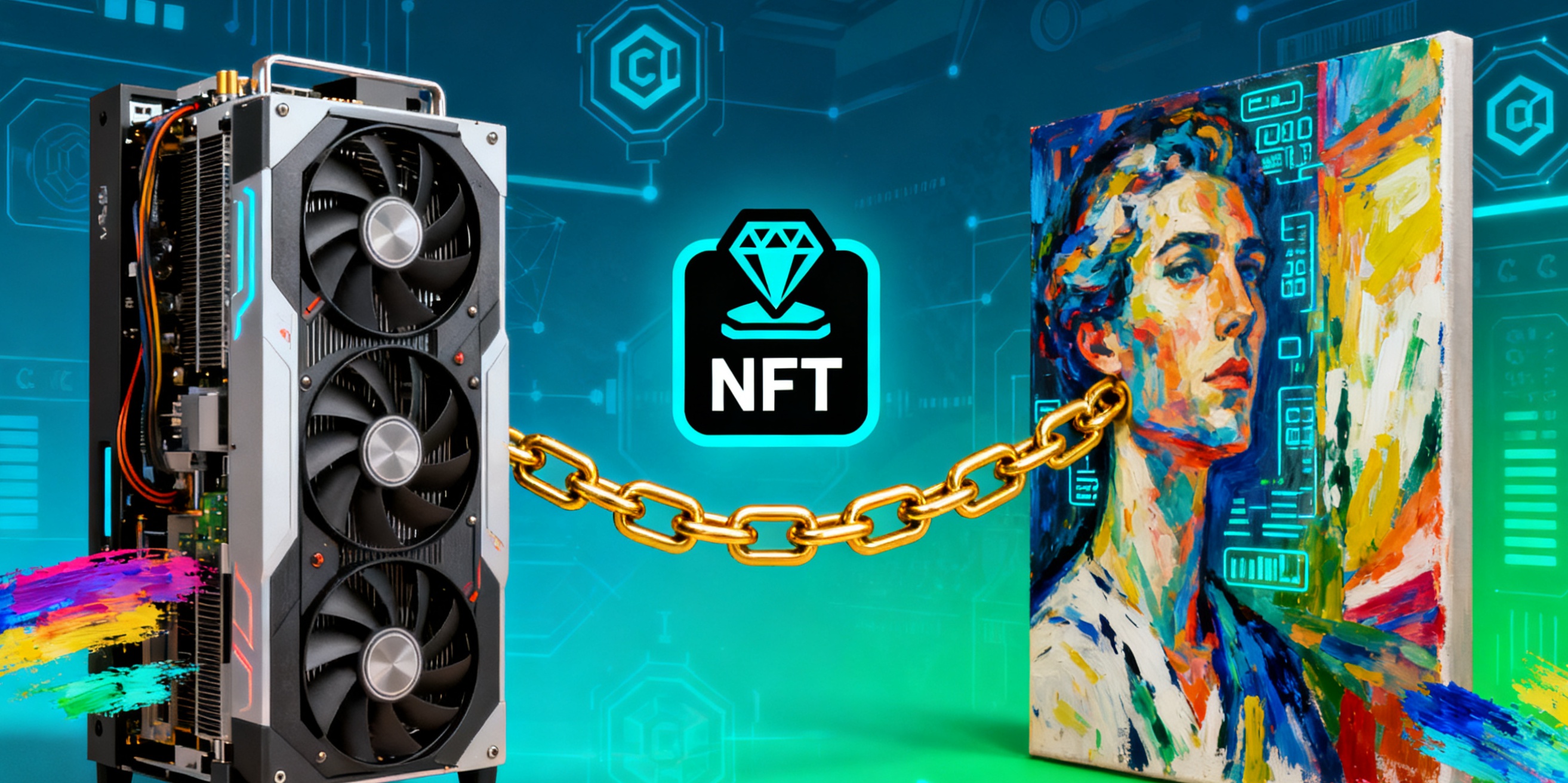
In the early days of Bitcoin, mining was a vastly different endeavor compared to today's industrial-scale operations. For many, the phrase "How was Bitcoin mined in the past?" evokes a sense of nostalgia for a more accessible and decentralized period in cryptocurrency history. Understanding this evolution is key to grasping the fundamental principles of blockchain technology.
The journey began in January 2009 with Bitcoin's creator, Satoshi Nakamoto, mining the genesis block (Block 0) using a standard central processing unit (CPU). This was the primary method for the first year. Anyone with a desktop or laptop computer could participate. Miners would simply run the Bitcoin client software, which utilized their CPU's computational power to solve the cryptographic puzzles required to validate transactions and create new blocks. The mining difficulty was exceptionally low, and the rewards were substantial—50 BTC per block. Early adopters could mine thousands of Bitcoins with minimal effort, a fact that seems almost mythical today.
As Bitcoin gained recognition and its value started to inch upward, competition intensified. Miners sought more power, leading to the first major evolution: the Graphics Processing Unit (GPU) mining era, starting around 2010. GPUs, designed for rendering complex graphics in video games, were far more efficient at the parallel processing tasks required for mining than CPUs. This shift marked the end of casual CPU mining. Building a mining rig with multiple high-performance graphics cards became the standard, significantly increasing the network's total hashing power and, consequently, the mining difficulty.
The GPU era was followed by another technological leap: Field-Programmable Gate Arrays (FPGAs). These were more efficient than GPUs but were complex to configure and represented a short transitional phase. The true revolution came with the introduction of Application-Specific Integrated Circuits (ASICs) in 2013. These were hardware devices built for the sole purpose of mining Bitcoin. ASIC miners offered a quantum leap in processing speed and energy efficiency, rendering all previous methods—CPU, GPU, and FPGA—obsolete for Bitcoin mining.
The arrival of ASICs fundamentally changed the landscape. Mining transformed from a hobbyist activity into a professional, capital-intensive industry. The hashing power, or "hash rate," of the network skyrocketed, making it impossible for individuals without access to cheap electricity and specialized hardware to compete. This led to the rise of large mining farms, often located in regions with cool climates and low energy costs, and the formation of mining pools where participants combine their computational resources to share rewards.
Looking back, the past methods of Bitcoin mining—from Satoshi's CPU to living room GPU rigs—represent the foundational, decentralized ethos of cryptocurrency. They were characterized by low barriers to entry and widespread individual participation. Today, mining is a global, industrial operation dominated by ASICs. This evolution underscores Bitcoin's growth from an obscure cryptographic experiment to a major financial asset, while also sparking ongoing debates about energy consumption, centralization, and the true meaning of decentralization. The answer to "how was Bitcoin mined in the past?" is ultimately a story of rapid technological adaptation and the relentless pursuit of efficiency in a burgeoning digital economy.
Post a Comment