How Does Bitcoin Mining Work? A Simple Guide to Earning New Bitcoin
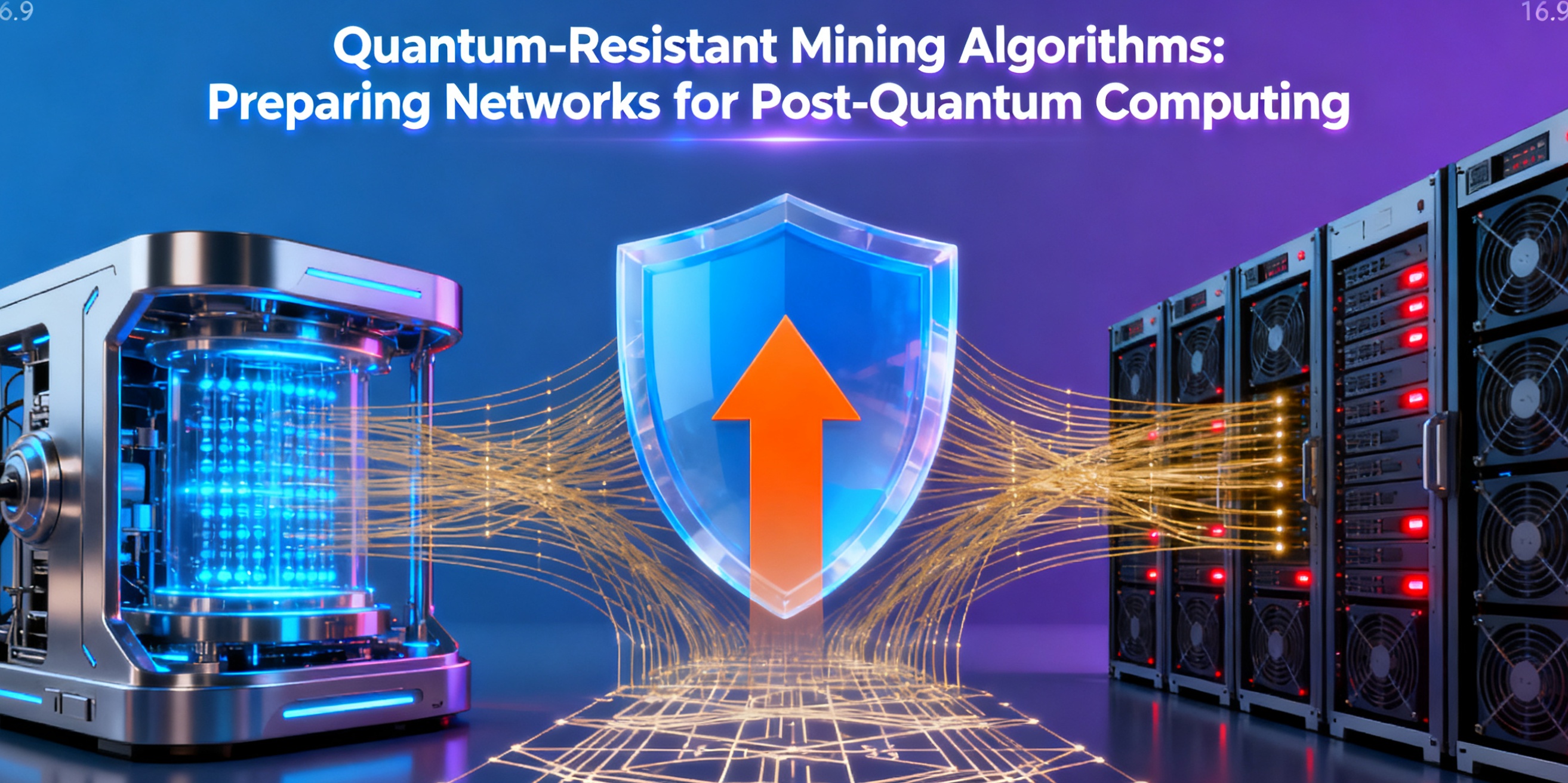
Bitcoin mining is the critical process that both creates new bitcoin and secures the entire Bitcoin network. It is often misunderstood, so let's break down exactly how new bitcoin is generated.
At its core, Bitcoin mining is a decentralized computational process. Miners around the world use specialized computers to solve extremely complex mathematical puzzles. These puzzles are part of Bitcoin's underlying "proof-of-work" consensus mechanism. The first miner to find the correct solution to the current puzzle gets the right to add a new block of verified transactions to the blockchain, Bitcoin's public ledger.
The generation of new bitcoin is the incentive built into this system. When a miner successfully adds a new block, they are rewarded with newly minted bitcoin. This is called the "block reward." This reward is the only way new bitcoin enters circulation. Initially set at 50 BTC per block, this reward halves approximately every four years in an event known as the "halving." This controlled, diminishing supply mimics the extraction of a precious resource like gold, which is why the process is called "mining."
So, how does the mining process actually generate coins? It starts with transactions. Users broadcast transactions to the network. Miners collect these pending transactions into a candidate block. Their goal is to find a cryptographic hash for this block that meets a specific, very difficult target set by the network. This requires immense amounts of trial-and-error computation, consuming significant electrical power.
The difficulty of this puzzle automatically adjusts to ensure a new block is mined roughly every ten minutes, regardless of how much total computing power is on the network. When a miner's hardware finally produces a valid hash, they broadcast the new block to all other nodes. Other nodes easily verify the solution, confirm the block, and the winning miner receives the block reward. The newly generated bitcoin is then recorded in that miner's wallet address within the block itself.
Beyond creating new coins, this process is essential for security. To alter a past transaction, a bad actor would need to re-mine that block and all subsequent blocks, which requires more computational power than the entire honest network—a near-impossible feat. Therefore, the competitive mining process makes the blockchain immutable and trustworthy.
Today, mining is a highly professionalized industry dominated by powerful machines called ASICs (Application-Specific Integrated Circuits), often pooled together in mining pools to combine resources and share rewards. The generation of bitcoin through mining will continue until the total supply reaches 21 million coins, after which miners will be incentivized solely by transaction fees.
In summary, Bitcoin mining generates new currency through a competitive, decentralized verification process. It solves the double-spending problem without a central authority, issuing coins according to a predictable, algorithmic schedule while making the network exponentially more secure with each block added.
Post a Comment