How to Start Bitcoin Mining: A Beginner's Step-by-Step Guide 2024
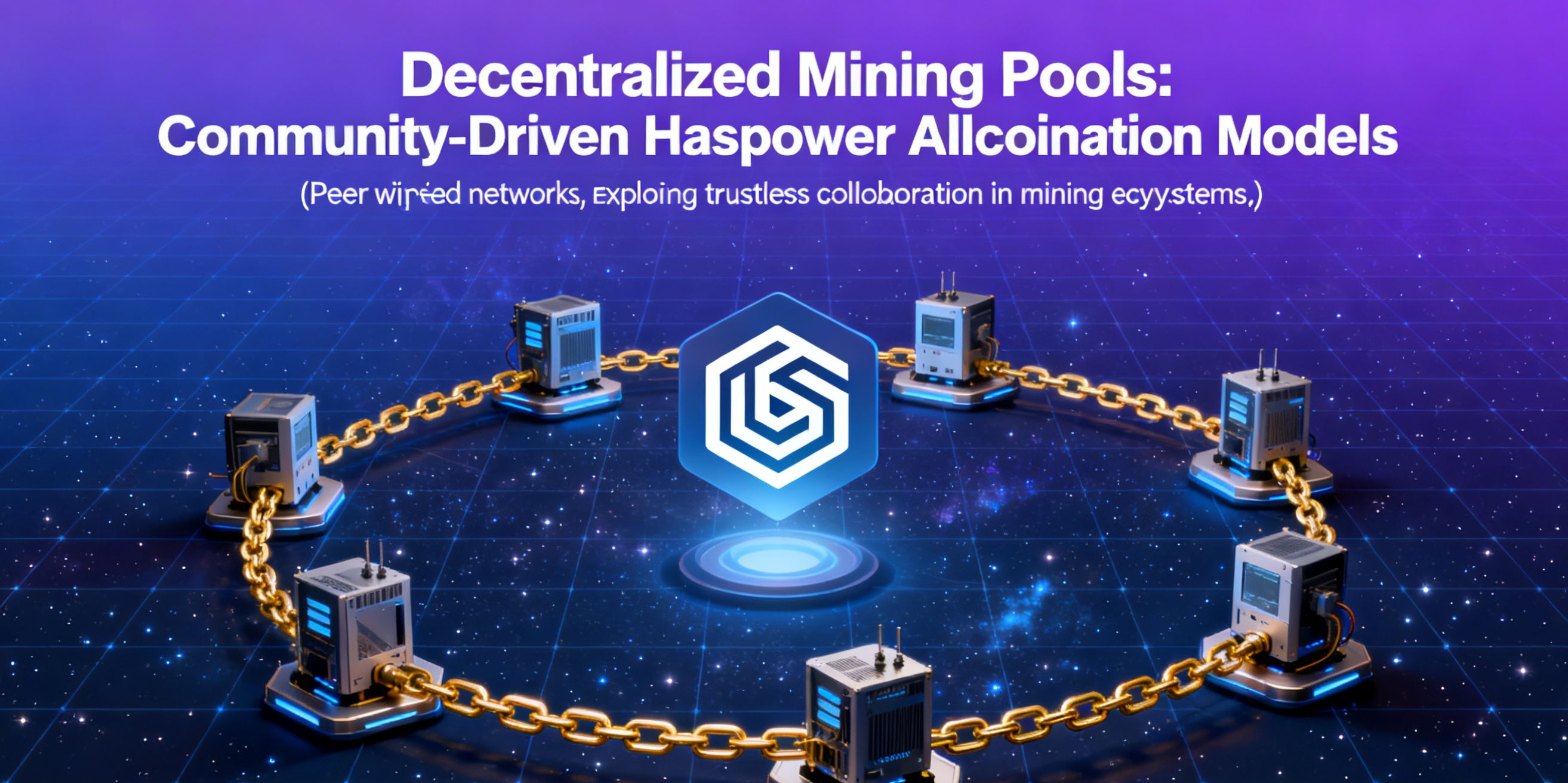
Bitcoin mining is the process that secures the network and creates new coins. For many, it represents an intriguing opportunity to earn cryptocurrency. But how does one actually get started? This guide breaks down the essentials of how to begin Bitcoin mining in clear, actionable steps.
The core concept of Bitcoin mining involves using specialized computers to solve complex mathematical puzzles. These machines, known as miners, compete to validate transactions and add a new block to the blockchain. The first miner to solve the puzzle is rewarded with newly minted Bitcoin and transaction fees. This process is energy-intensive but crucial for the network's decentralized security.
To start mining Bitcoin today, you will need specific hardware. Using a standard PC or laptop is no longer viable due to intense competition. Application-Specific Integrated Circuits (ASICs) are the industry standard. These powerful machines are designed solely for mining and offer the hashing power necessary to be potentially profitable. Before purchasing, research models, their hash rate, and energy consumption carefully.
Next, you must choose your mining approach. Solo mining, where you mine alone, is incredibly difficult for individuals due to high costs and low odds of earning a block reward. For most beginners, joining a mining pool is the practical choice. A pool combines the hashing power of many miners, increasing the chance of solving a block. Rewards are then distributed among participants based on their contributed work. Popular pools include Foundry USA, Antpool, and F2Pool.
Software is your next requirement. Mining software connects your hardware to the blockchain and your chosen pool. Programs like CGMiner, BFGMiner, and NiceHash provide the interface to control your miners and monitor performance. Configuration typically involves entering the pool's address and your Bitcoin wallet information.
A secure Bitcoin wallet is essential for receiving your earnings. Options range from hardware wallets (like Ledger or Trezor) for maximum security to software wallets (like Electrum or Exodus) for convenience. Never use an exchange address directly for pooled mining, as payout policies can change.
Critically, you must calculate potential profitability. Mining involves significant costs, primarily electricity. Your ASIC miner runs 24/7, and power costs can easily erase profits. Use an online Bitcoin mining calculator, inputting your hardware's hash rate, power consumption, local electricity costs, and pool fees, to estimate net earnings. Always factor in the initial investment for the hardware itself.
Finally, consider the operational environment. ASIC miners are loud and generate substantial heat. You will need a cool, well-ventilated space, such as a basement or dedicated shed, with stable internet and electrical connections. Proper setup is key to preventing overheating and hardware failure.
In conclusion, getting started with Bitcoin mining requires careful planning and investment. The path involves acquiring ASIC hardware, choosing a reliable mining pool, installing software, securing a wallet, and meticulously calculating costs versus rewards. While the era of easy mining from home is largely over, with the right resources and management, it remains an accessible entry point into the world of cryptocurrency for dedicated individuals. Always stay informed, as the network difficulty and Bitcoin's price are constantly changing variables that directly impact your mining journey.
Post a Comment