How to Set Up Bitcoin Mining: A Step-by-Step Guide for Beginners
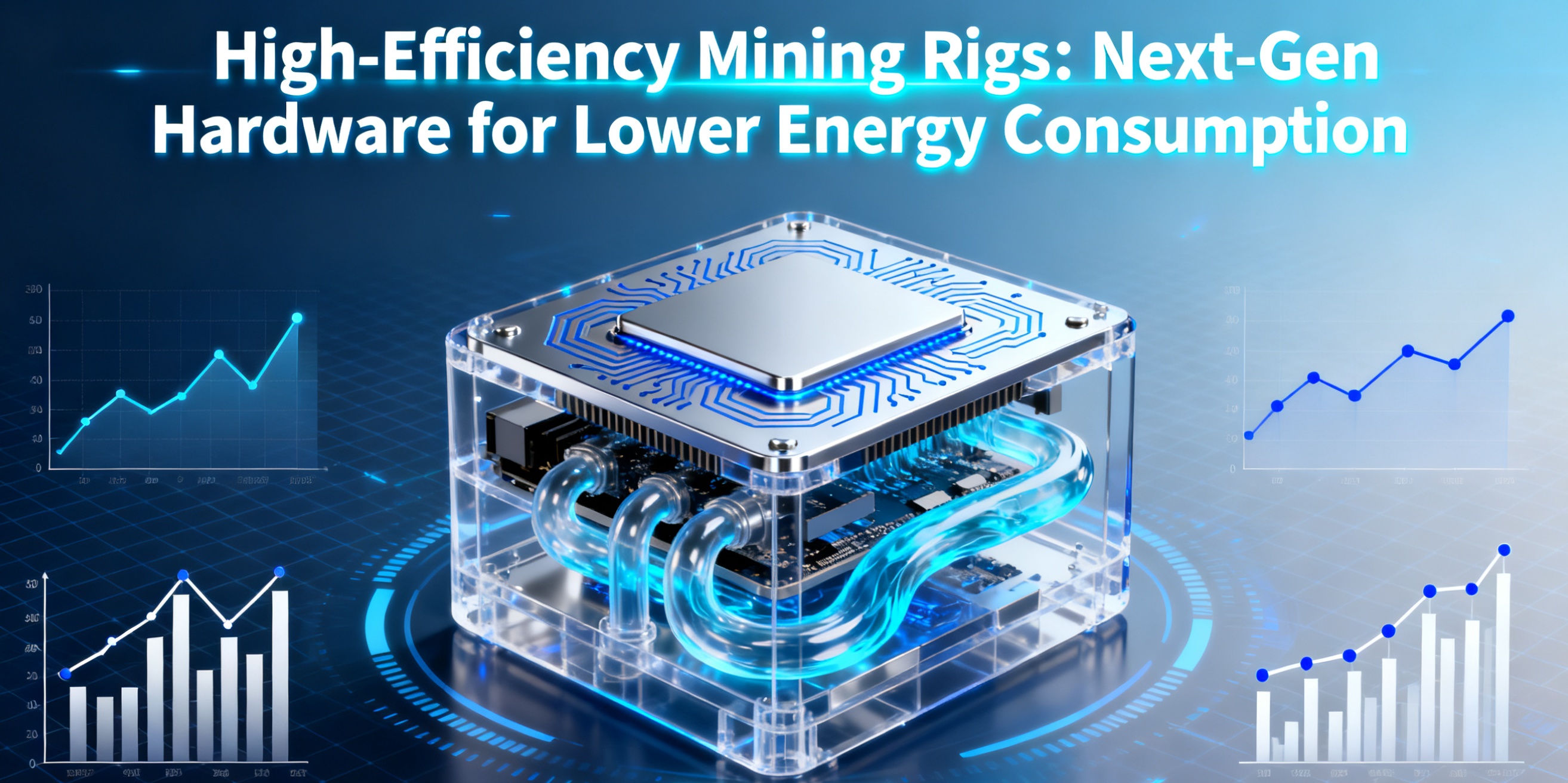
Bitcoin mining can seem complex, but correctly setting your mining parameters is the key to efficiency and profitability. This guide breaks down the essential steps to configure your mining hardware and software, helping you optimize performance whether you're a hobbyist or aiming for more serious operations.
The first step is choosing and setting up your hardware. For beginners, ASIC (Application-Specific Integrated Circuit) miners are the standard for Bitcoin mining. Once you have your hardware, you'll need to connect it to a power source and your network. The crucial configuration, however, happens in the mining software and the miner's interface itself.
Accessing your miner's configuration panel is typically done via a web browser. You need to find your miner's IP address on your local network and enter it into your browser's address bar. This will bring up a login screen where you enter the default credentials (often found in the manual). Inside the dashboard, you'll find the core settings that require your attention.
The most critical parameter is the mining pool. You cannot mine Bitcoin solo effectively; you must join a pool. In your miner's configuration, you will need to enter the pool's URL, stratum port, and your worker credentials. Popular pools include Foundry USA, Antpool, and F2Pool. This tells your miner where to send its computational power.
Next, focus on frequency and voltage settings. These directly control your hash rate (mining speed) and power consumption. Increasing the frequency can boost your hash rate, but it also increases heat and power draw. Adjusting the voltage can improve energy efficiency. Many miners use pre-set profiles like "Low Power," "Normal," or "High Performance." For beginners, starting with a balanced profile is safest to avoid overheating.
Temperature control is a vital parameter. Set realistic fan speed rules to keep your ASIC's chip temperature within the manufacturer's recommended range (usually between 70-80°C). Proper cooling extends the lifespan of your hardware. Also, ensure your miner is in a well-ventilated, cool environment.
Finally, after applying your settings, monitor your miner's performance closely. Check the dashboard for your accepted hash rate, hardware errors, and temperature readings. Use the pool's website to track your estimated earnings. Fine-tuning is an ongoing process; small adjustments to frequency or cooling can lead to better long-term efficiency and profitability.
In conclusion, setting up Bitcoin mining parameters involves connecting to a reliable pool, carefully adjusting performance and power settings, and implementing robust cooling. By methodically configuring these parameters and monitoring your system, you can create a stable and more efficient mining operation. Remember, the goal is to find the optimal balance between hash rate and energy consumption to maximize your potential return on investment.
Post a Comment