How to Mine Bitcoin: A Beginner's Guide to Cryptocurrency Mining
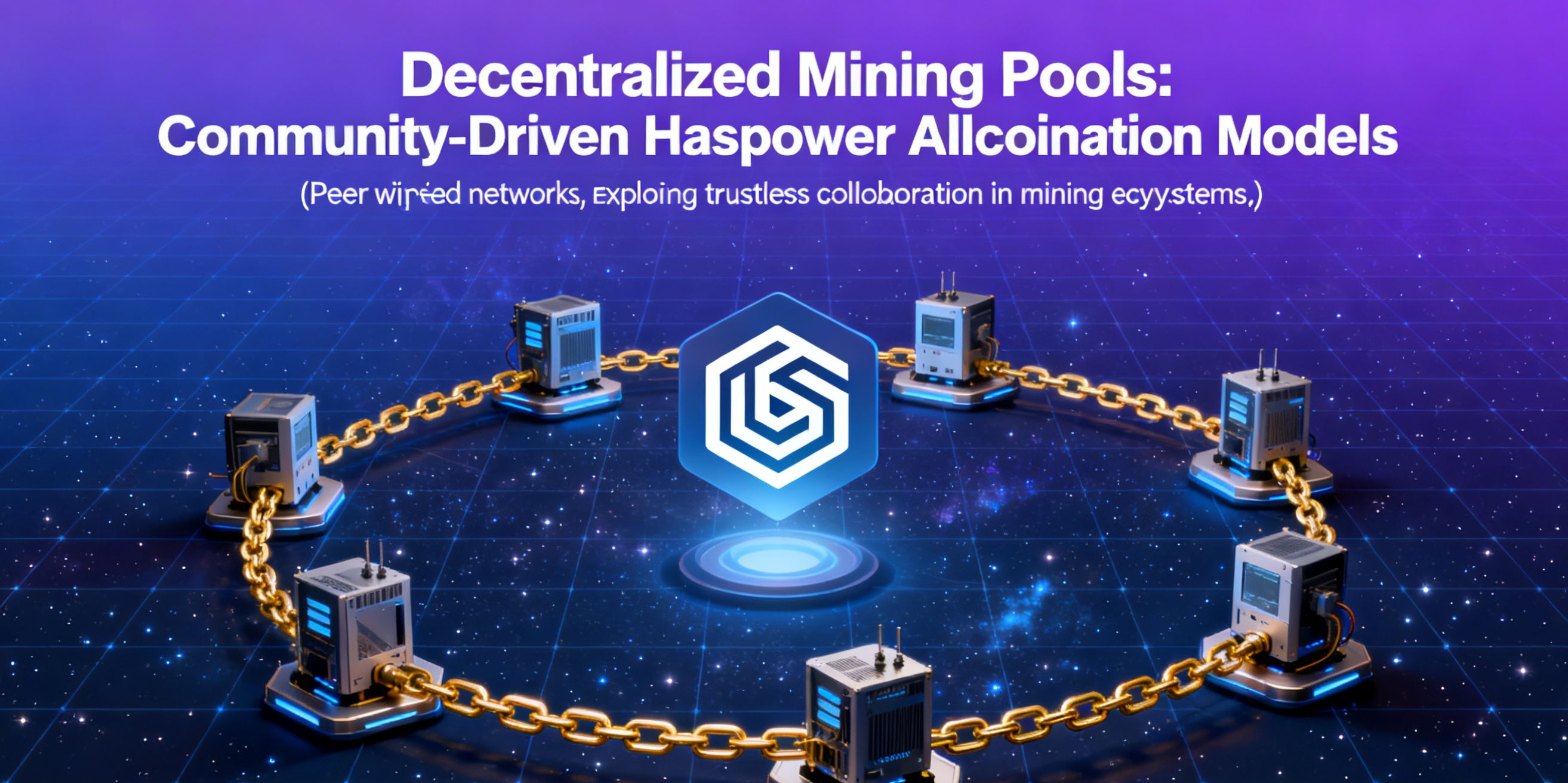
Bitcoin mining is the fundamental process that powers the entire Bitcoin network. It is how new bitcoins are created and how transactions are securely verified and added to the public ledger, known as the blockchain. For many, the question "How to mine Bitcoin?" is the first step into the world of cryptocurrency. This guide will explain the basics of what mining is and how you can get started.
At its core, Bitcoin mining involves using specialized computer hardware to solve complex mathematical puzzles. These puzzles are part of the network's "proof-of-work" consensus mechanism. Miners compete to be the first to find a valid solution. The successful miner who solves the puzzle gets to add a new block of transactions to the blockchain and is rewarded with newly minted bitcoins and transaction fees. This process secures the network against fraud and ensures the integrity of the entire system.
In the early days of Bitcoin, it was possible to mine using a standard home computer's central processing unit (CPU). However, as the network grew and competition increased, mining became more difficult. Miners quickly moved to more powerful graphics processing units (GPUs) and then to Application-Specific Integrated Circuits (ASICs). Today, ASIC miners are essential for profitable Bitcoin mining. These devices are designed solely for mining cryptocurrency and offer vastly superior processing power and energy efficiency compared to general-purpose hardware.
Before you start mining, you need to choose your method. Solo mining, where you mine alone, is incredibly challenging due to the high difficulty level. The more common approach is to join a mining pool. A mining pool is a group of miners who combine their computational power to increase their chances of solving a block. Rewards are then distributed among pool members based on the amount of work they contributed. This provides a more steady and predictable income stream for individual miners.
You will also need mining software. This software connects your hardware to the Bitcoin network and the mining pool (if you join one). It does not do the actual mining but facilitates communication and work allocation. Popular options include CGMiner, BFGMiner, and EasyMiner. The choice often depends on your hardware and operating system.
Perhaps the most critical consideration in Bitcoin mining today is cost, specifically electricity cost. Mining hardware consumes a significant amount of power 24/7. If your electricity rates are high, your mining profits can be completely erased. It is crucial to calculate your potential profitability by considering your hardware's hash rate, power consumption, electricity cost, and the current Bitcoin price and network difficulty. Many online calculators can help with this analysis.
Finally, you will need a Bitcoin wallet to receive and store your mining rewards. Wallets come in various forms: software wallets on your computer or phone, hardware wallets (physical devices), or web-based wallets. For security, especially with larger amounts, a hardware wallet is often recommended as it stores your private keys offline.
Bitcoin mining has evolved from a hobbyist activity into a major industrial operation. For beginners, joining a reputable mining pool and carefully calculating costs is the most practical path. While it may not be the easy path to riches it was once portrayed as, understanding how to mine Bitcoin provides deep insight into the revolutionary technology that is blockchain. It remains a fascinating process that is crucial to the decentralized nature of the world's first cryptocurrency.
Post a Comment